


Written by Keira Lanei
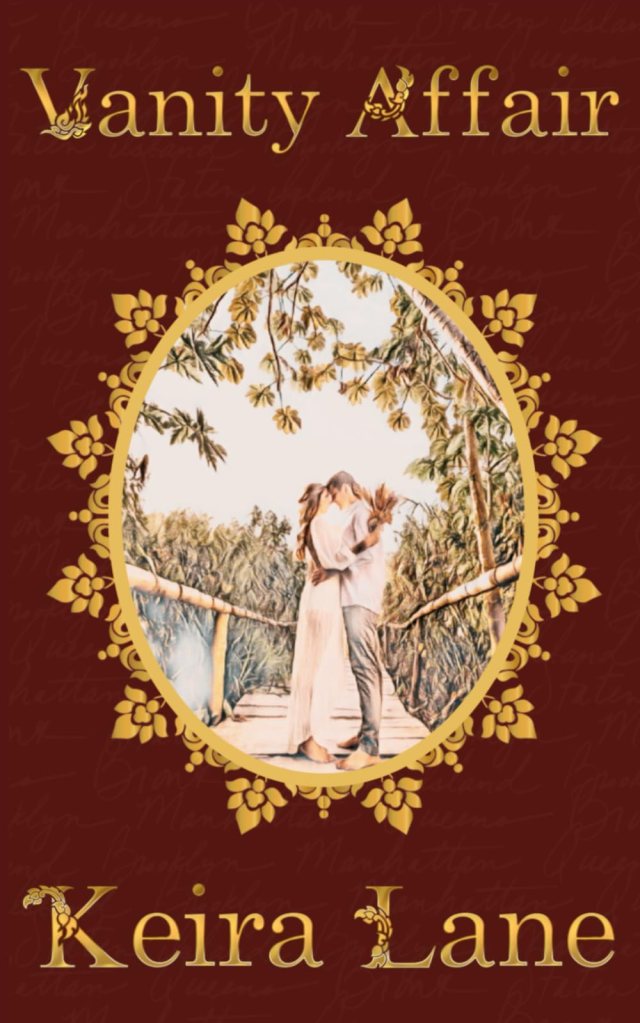
I have a confession to make: I’ve never been a huge fan of Jane Austen. It’s not that I dislike her works, and my opinion admittedly may have its roots in a writing teacher from many years ago, who had no time for any other writer (this made for a tough class for those of us who aren’t Jane Austen). Essentially, I’m a bigger fan of Pride and Prejudice and Zombies than I am of the original Pride and Prejudice. I am, however, a huge fan of author Keira Lane, and am enamoured with her From a Heart-Shaped Box, a collection of short stories about love, and the many forms it takes (how much do I love it? Click here to find out)..It’s for this reason that I’ve been looking forward to reading Vanity Affair, a reimagining of Pride and Prejudice, set in the modern day, and gender swapped.
Not being a fan of Austen feels like a shameful secret that I’m putting out into the world, particularly after reading the author’s notes at the end of the book. Through these, Lane discusses the power of Austen’s words, how forward thinking the author was for her era, and the special place she holds within literature as a result of these. In this section, Lane also discusses her personal relationship with Austen’s works, and the influence the author’s works have had on her as an author. It’s a powerful extra to the book outside of the story itself, and demonstrates how Vanity Affair is a loving homage to a classic novel, instead of a cheap and easy copy and paste. Upon reading this, I’ve been considering revisiting her works with fresh eyes.
In being an adaptation of Pride and Prejudice, commenting on Vanity Affair‘s story is a difficult prospect. So much has been written about Pride and Prejudice’s story over the years, and it has been adapted so many times before. Most people, even those who haven’t read the book—or any book borrowing from its plot—or watched any of the films, or television adaptations, know the story. Essentially, Elizabeth Bennet, determined to marry for love and not station, is wooed by the wealthy Mr. Darcy, a man well above her social standing. Vanity Affair follows the same broad storyline as Ellington (or Eli) Bennett is wooed by the wealthy Darci Williams.
At 241 pages in paperback (or an estimated 219 in eBook form), Vanity Affair is substantially shorter than the 350 to 400 pages of most of its inspiration’s printings. Although I don’t recall every explicit detail of Austen’s novel, Lane’s book captures the wholesale essence of the story. It isn’t slavishly dedicated to its source material, but conveys the same core story and structure of it while telling a modern, accessible version.
With the original Pride & Prejudice telling a story that is considered an early piece of feminist literature, swapping the genders of Eli/Elizabeth and Darci/Mr. Darcy is a choice that could undercut one of the strengths of the original book. Yet with Vanity Affair’s presentation of Darci, a hugely successful book publisher, the novel offers readers a modernised feminist hero. At the heart of this is a fantastic character, as is the book’s protagonist, Eli. Both characters resemble their inspiration, but the book isn’t beholden to them. Eli and Darci both have their own agency while being enjoyable to follow in their own right. The book’s other characters all work well, and are provided with a similar amount of depth to the originals.
The great characterisation is anchored by wonderful dialogue. As the book features a modern setting in lieu of the more than two hundred years ago the original was written, the characters’ dialogue reflects conversations people today are having. The dialogue conveys the same sense of beauty and, dare I say it, romanticism of the original. Fans of Austen love how much wit she imbued in her dialogue, and Lane has taken up the challenge to imbue her characters with the same level of wit. I enjoyed reading the banter between the characters, that always feels natural, and as though the conversations are between real people. The dialogue includes some instances of meta humour as the characters discuss Pride and Prejudice, and instead of pulling the reader out of the book, it adds to the tale’s charm.
Such charm is exuded throughout the novel’s prose. Like the dialogue, the bulk of the rider draws the reader in. The writing is captivating, capturing the essence of the tale without ever being overwritten. Instead, it takes an approach where less is more; using its words economically for the greatest impact. It’s clear and easy to follow, which achieves not only the goal of guiding the reader through its story, but constantly engaging the reader as it draws both humour and emotion, and offers the odd swear you would never find in the original at exactly the right moments.
Vanity Affair does not tell a unique story, and it relishes this approach. As a retelling of Pride and Prejudice, it would have been easy for Lane to let Austen’s novel do all the heavy lifting. Instead, the book reimagines the original in a way that fits modern society, without sacrificing the heart of the original. The book provides a new spin on a classic tale, paying homage to it while offering readers something new. Whilst some Austen purists may take issue with the creative licence, most readers who enjoy her works will enjoy this take; and readers who aren’t necessarily fans of the author but enjoy love stories will find lots to appreciate. If Jane Austen could see her legacy enduring two centuries after her books were published, I am certain she would be proud of stories like Vanity Affair.
Favourite Passage
This was less than ideal. Eli had insulted Charleigh’s best friend, who James was taken with, and also pissed off the head of the biggest romance publisher. He not only had to clean up a mess because it would screw with his career, but now had to deal with his brother’s happiness. There were two things Eli knew with no doubt: He’d judged a book by its cover. Publishers talk. Well, three things. He was fucked.
Vanity Affair, Chapter 3
Vanity Affair was purchased for the purpose of an honest review.
Vanity Affair is available in paperback and on eBook from retailers, including—but not limited to—Amazon.
Note: I do not post scores for reviews on this website, but do post them on my Amazon and Goodreads reviews:
- Amazon
- Goodreads
You can follow Keira Lane online, via:
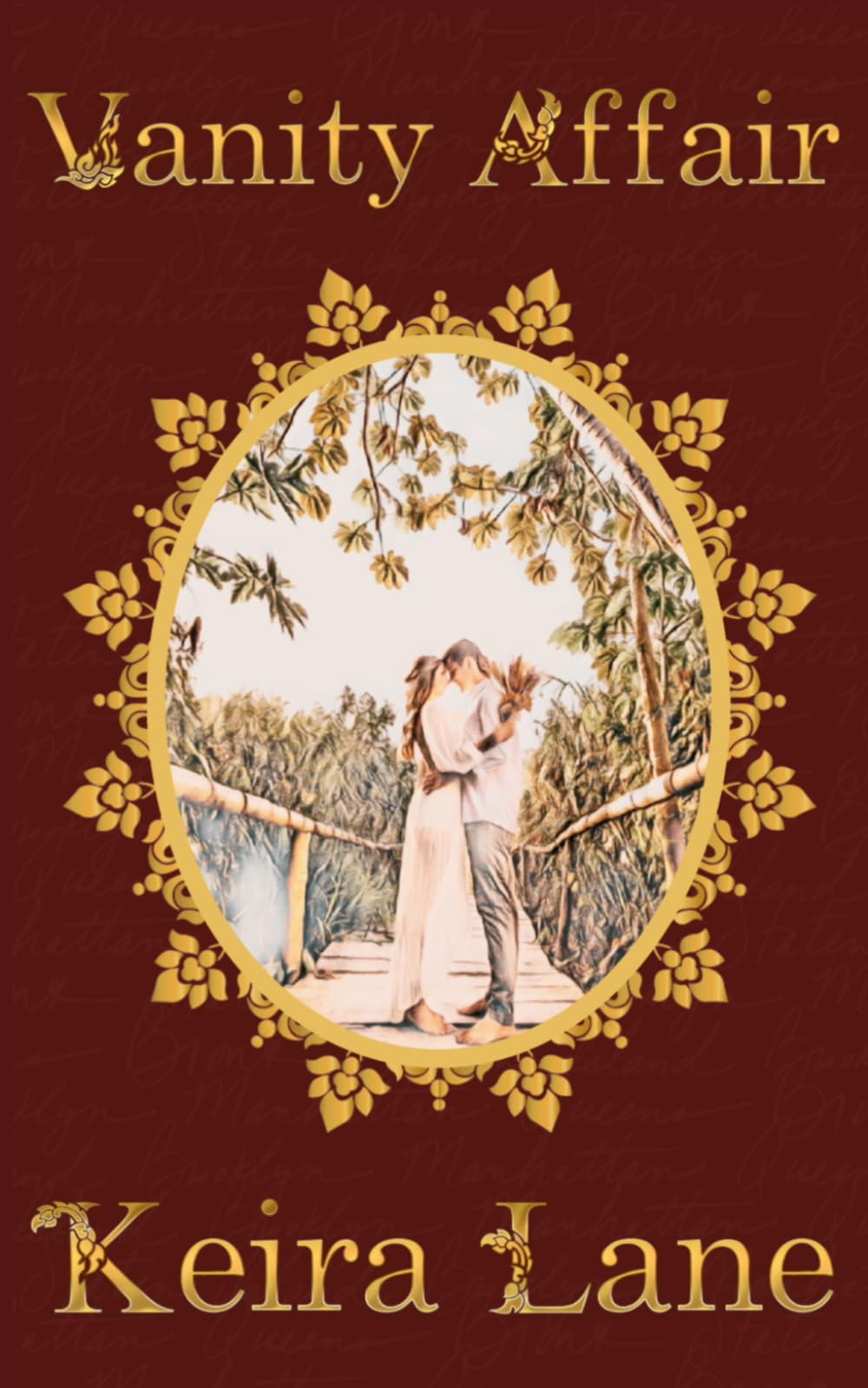
Interested in purchasing Vanity Affair?
Please find a link below; please note I do not collect any proceeds from the sale.
Vanity Affair
 wastanley.com