


Written by André Alexander
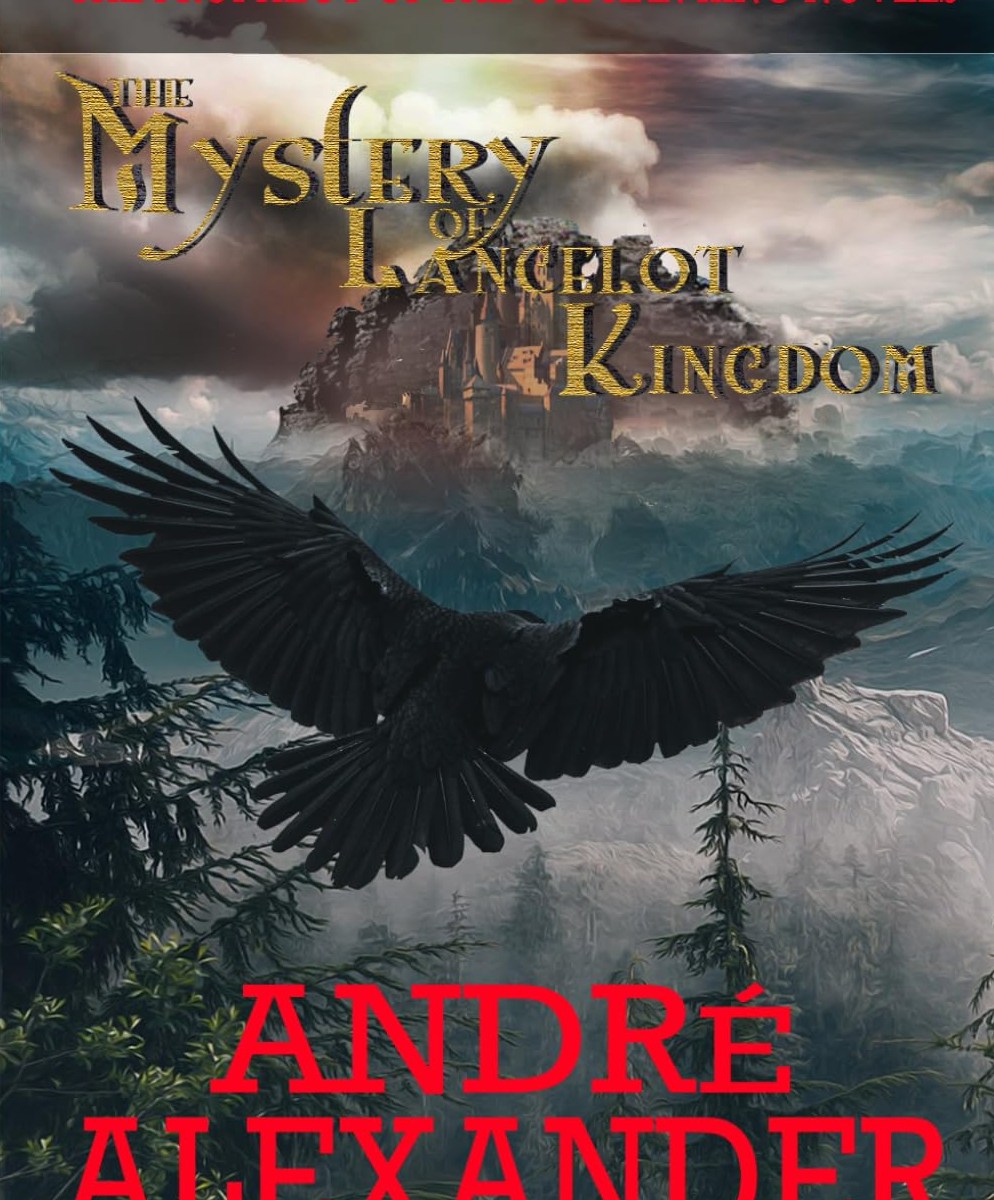
The legend of King Arthur needs no introduction. It is so instilled in society that it has influenced countless fantasy stories, both directly (I dare you to declare the iconic version of the story, and will point you to everyone else with their own opinions) and indirectly, as seen through just about every fantasy set in an approximation of mediaeval England (and any that don’t cite Arthur as an influence can draw a line from their influences to the legend). With the title of The Mystery of Lancelot Kingdom, the first book in André Alexander’s The Prophecy of the Orphan King novels wears this influence on its sleeve, and has a great time doing it. However, the title name dropping Sir Lancelot is a little too on the nose, as are various other naming conventions in the book (Juliet of Jewel Kingdom, for instance).
As much as some readers might disagree with the choice, The Mystery of Lancelot Kingdom opens with a prologue, setting the scene for the book and its world. From the outset, this strikes an almost fairy tale like quality to it, its aloofness bringing charm and drawing the reader into the world. I’m not one of those aforementioned readers that have a distaste for prologues; like any other part of a book, the important thing is how they’re handled. This novel’s prologue is an example of how these can benefit a book, drawing the reader in whilst adding a little extra flavour. This flavour wasn’t reminiscent of Arthurian tales as much as those classic stories of olde.
A large part of the prologue’s success is in the style it’s presented in, but once readers move into the first chapter, it takes a more grounded approach. The approach never feels at odds with the prologue, and throughout the book, it fits with the story’s high fantasy trappings. The prose is clear and easy to follow throughout, and describes the world in vivid detail. Although this level of detail is a clear trapping of high fantasy stories, at times, it takes this approach a little too far for my liking. It’s never enough to pull the reader from the story, but it does have the side effect of artificially slowing the pacing down.
Whilst the prose slows the pacing down and takes away from the urgency of some of the book’s aspects, its overall pacing works well for the story being told. At 430 pages in paperback (or an estimated 432 pages in eBook), the story unfurls at a steady pace that fits the genre and story being told. It’s not a short book, but it’s a length that befits The Mystery of Lancelot Kingdom, especially given the slight misnomer of its title, given the multiple mysteries throughout. There’s plenty of story being told throughout those pages, filled with twists and turns. None of these twists are particularly shocking, but nor are they telegraphed to the point where readers would be expecting what comes next.
Anchoring the story is a group of thoroughly entertaining characters. Some fit the heroic mould, while others are delightfully unsavoury. There’s a reasonably large cast of characters throughout the novel, and their interactions are thoroughly entertaining to follow. This entertainment is dampened by the dialogue, however, with it often feeling wooden, rather than flowing naturally. More natural dialogue would have elevated all these characters who already entertain. As entertaining as they are, though, the characters lack any real depth. With more depth, I would have found myself caring more about them, instead of being merely amused by them.
Just as important as the characters to a high fantasy is the world and the author’s world building. The prologue kicks this element off wonderfully, touching upon the world’s history without bogging it down. The world throughout The Mystery of Lancelot Kingdom is thoroughly realised, but like many books taking their inspiration from Arthurian legend, it’s not unique. Still, this form of swords and sorcery is classic for a reason. The Arthurian influence is seen throughout the world, and although it’s set on its own world, it’s clearly derived from mediaeval times, right down to Christians and Pagans. The use of magic is limited, which adds to the realism of its setting, but when understate this element, I’d have liked the magic to have more impact when it does appear.
More attention being paid to the book’s editing and formatting would have added to the overall reading experience. There are various small typos throughout the book that, while not breaking the overall experience, would make reading the book a little smoother. There are also instances throughout where multiple characters’ dialogue is included in the same paragraph, which makes parsing these more difficult. The Mystery of Lancelot Kingdom also has various instances where references appear inconsistent—chapter one introduces the reader to King Henricus Draquin, then subsequently refers to him as King Drake, save a couple of references later in the book. I’m not sure whether his name changed between drafts, or if he’s affectionately referred to as King Drake. Whilst only a small concern, the book breaks from justified text, instead having it all left justified, and the physical copy uses a sans serif font. Both these decisions impact the book’s readability.
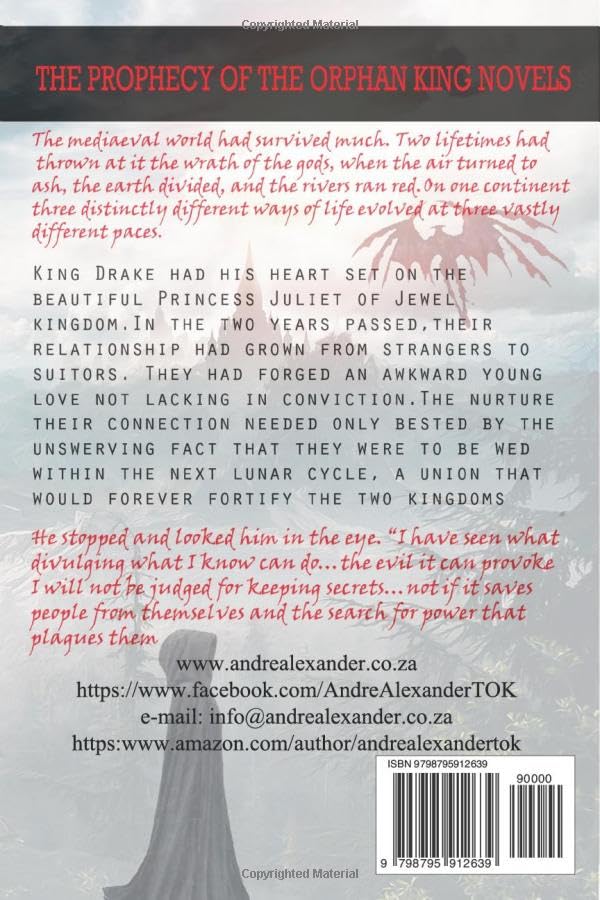
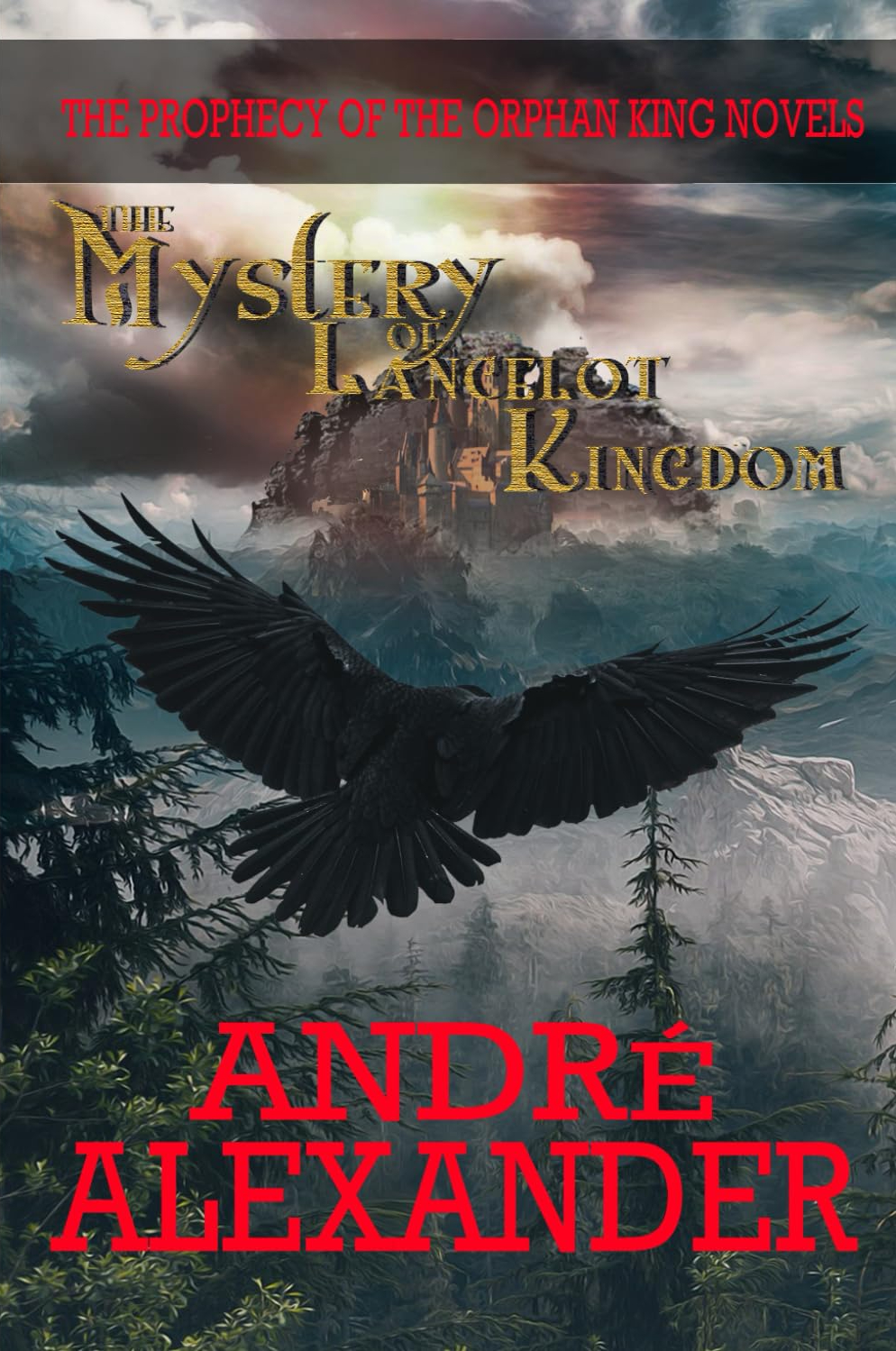
The book’s cover refers to The Prophecy of the Orphan King Novels, but doesn’t specify it’s the first—and at the time of writing, only—book in the series. The Amazon listing, however, which is where most people will buy the book from, does tell readers this is not only the first book, but it works as a standalone book. There’s no doubt in my mind that subsequent books will build upon this novel, but it stands squarely on its own merits. Readers will get an entire story that feels complete without having to wait for the next entry in the series.
The Mystery of Lancelot Kingdom’s editing and formatting decisions make the book more difficult to read than it could be, but it otherwise draws the reader into the world and guides them through it. The author spins an entertaining fantasy tale with some truly fun twists and entertaining characters. It does so in a way that feels familiar, capturing the elements and tropes that high fantasy fans so enjoy. As some readers will feel safe in the novel’s familiarity, others will wish for a book that feels more original.
Favourite Passage
A crow flew from the roof of the aviary, distinguished by the raven only by its size. It spread its wings upward and bared its claws. The moment they clashed in mid-air, its talons dug into the body of the raven, and it started pecking at its flesh. They dove to the ground in a flurry of wings and feathers. The raven fought back, escaping for a second and managing to gain height. The crow followed, bit into the tail feathers of the raven, yanked its head sideways, and flung the raven off course. As the raven fell, topsy-turvy, the crow started going for the message tied to the raven’s paw.
The Mystery of Lancelot Kingdom: The Prophecy of the Orphan King, V
The Mystery of Lancelot Kingdom: The Prophecy of the Orphan King was provided by the author for the purpose of an honest review.
The Mystery of Lancelot Kingdom is available in paperback from book retailers (including—but not limited to—Amazon), and Kindle, exclusive to Amazon.
Note: I do not post scores for reviews on this website, but do post them on my Amazon and Goodreads reviews:
- Amazon
- Goodreads
You can follow André Alexander online, via:
Interested in purchasing The Mystery of Lancelot Kingdom?
Please find a link below; please note I do not collect any proceeds from the sale.
The Mystery of Lancelot Kingdom: The prophecy of the orphan king
 wastanley.com